
لقراءة هذه القصة باللغة العربية، اضغط هنا
Giving photojournalists a meaningful say in what they photograph and how their work is published can help protect their mental health, according to a new study commissioned by the Rory Peck Trust.
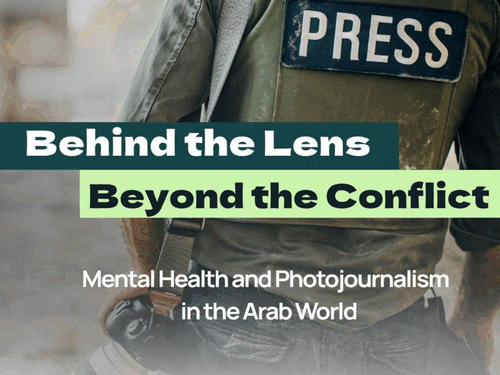
Behind the Lens, Beyond the Conflict: Mental Health and Photojournalism in the Arab World finds that resilience does not come primarily from emotional detachment. Instead, a strong sense of agency can counter the powerlessness created by prolonged exposure to violence, loss and human suffering. Written by Dr Khaled Nasser and Dr Lauren Walsh, the report draws on research with photojournalists from, based in or working across Egypt, Iraq, Israel, Lebanon, Libya, Palestine, Sudan, Syria, Yemen and elsewhere.
Participants reported greater purpose and professional satisfaction when they could choose stories, shape how people were represented, contribute to editorial decisions and see their work reach an audience. Recognition was also identified as a powerful source of resilience. Feeling valued by audiences, colleagues, editors and professional institutions affirmed not only the photographs, but the risks, sacrifices and emotional labour behind them.
“Too often, those bearing witness pay a terrible price,” said Jon Williams, Executive Director of the Rory Peck Trust.
“What’s clear is that recognising the courage and creativity of photojournalists can help protect them. It’s why next month we will present the first Rory Peck Award for Photojournalism, honouring those behind the lens who risk everything to bring us the story.”
The report recommends that photojournalists develop ways to create psychological distance without losing the empathy that gives their work its humanity. These can include focusing on the creative process during difficult assignments, debriefing with colleagues and establishing boundaries between work and home. But responsibility cannot rest with journalists alone. Newsrooms should provide physical and psychological risk assessments, fair payment, supportive supervision and open communication. Editors should also respect the expertise of photographers on the ground and involve them in decisions about captions, framing and publication.
Published in English and Arabic ahead of World Mental Health Day on 10 October, the report delivers a clear message: protecting photojournalists means recognising their humanity, respecting their judgement and giving them a genuine voice in the stories they risk so much to tell.
TO READ THE REPORT CLICK BELOW
